What Are Street Tacos? The Ultimate Authentic Mexican Guide
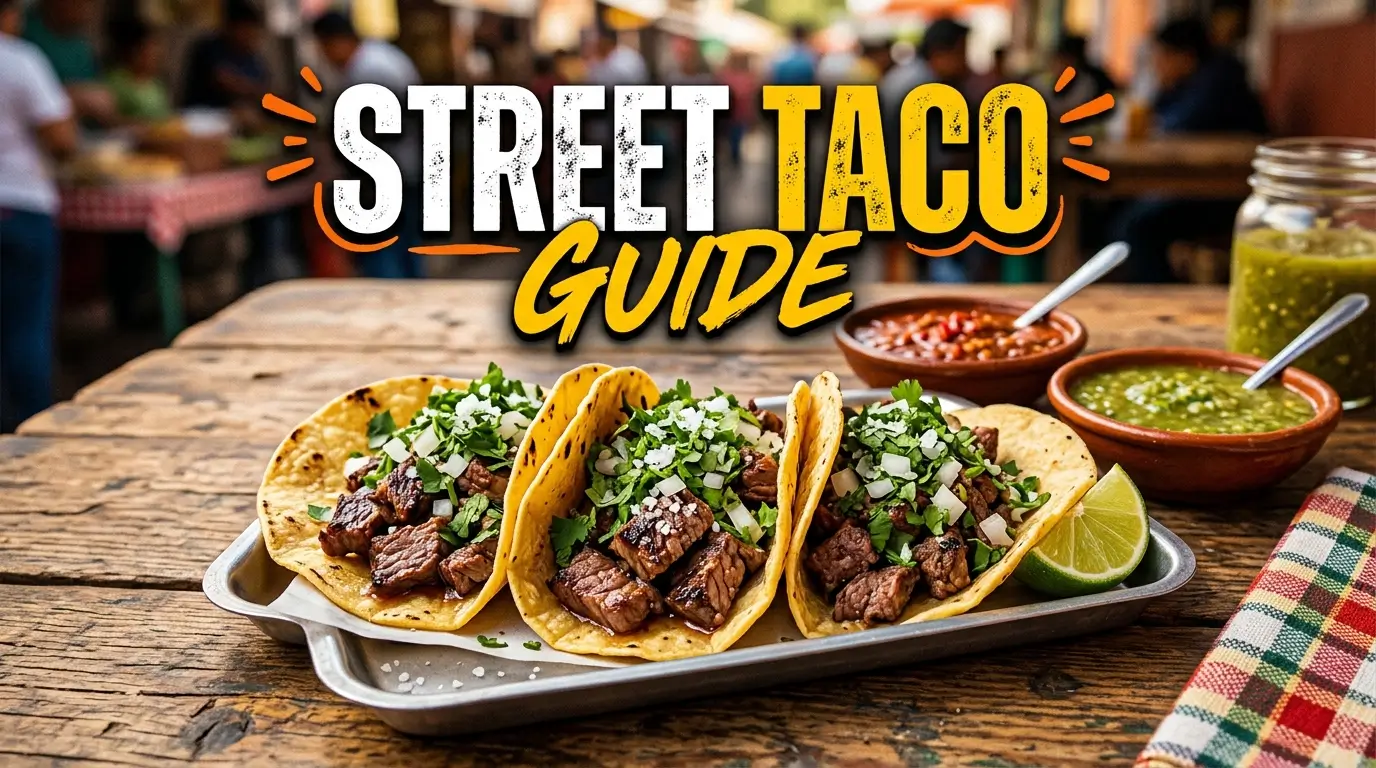
Street tacos are small, traditional Mexican tacos served on soft corn tortillas and filled with simple, boldly flavored meats. They get their name from exactly where they were born — the streets of Mexico. Where vendors called taqueros have been feeding hungry people from carts, stalls, and open-air stands for well over a century.
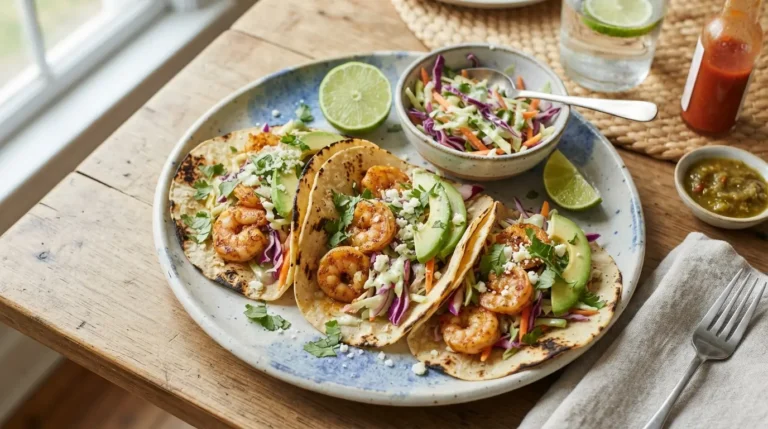
Unlike the loaded, Americanized versions many people grew up with, authentic street tacos keep things minimal. Two small corn tortillas stacked together, a generous scoop of slow-cooked or grilled meat. Diced white onion, fresh cilantro, a squeeze of lime, and a drizzle of salsa. That’s it. No shredded cheese, no sour cream, no iceberg lettuce.
The History and Origins of Street Tacos
Ancient Roots in Mesoamerican Cuisine
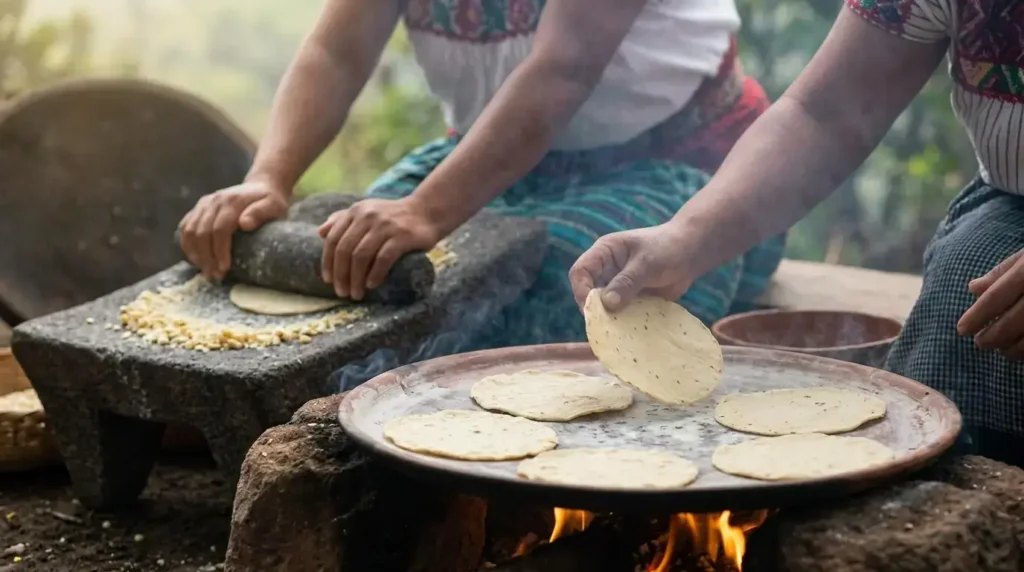
The story of street tacos stretches back thousands of years before Mexico existed as a nation. Indigenous peoples of Mesoamerica, including the Aztecs and other groups throughout central Mexico, used corn tortillas the way Europeans used bread — to scoop, wrap, and carry food. These early tortillas, called tlaxcalli, formed the edible foundation of what would eventually become the taco.
The Aztec word tlahco is often cited as a linguistic ancestor to the modern word “taco,” though the exact etymology remains debated among food historians. What is clear is that wrapping food in a corn tortilla was a deeply practical solution born from a corn-dependent culture.
The Silver Miners Who Named It
The word “taco” as we know it today has a fascinating, non-culinary origin. According to food historian Paul M. Pilcher and other researchers, the term originally referred to the small paper-wrapped charges of gunpowder that Mexican silver miners used to excavate ore from rock faces in the 18th century. These little explosive bundles were called tacos de minero — miner’s tacos.
The miners themselves ate a humble meal of corn tortillas filled with potatoes and other ingredients, kept warm in cloth-wrapped baskets. These became known as tacos sudados (sweated tacos) and later tacos de canasta — basket tacos. When mining declined following Mexico’s independence from Spain, many miners relocated to Mexico City, bringing their food traditions with them.
The first written mention of tacos as a food item appeared in Manuel Payno’s novel Los Bandidos de Río Frío, published in 1891. Within decades, hundreds of regional variations had emerged across the country.
From Street Stalls to Global Phenomenon
By the late 19th century, street taco vendors were a permanent fixture in Mexican city life. These taqueros operated from market stalls, sidewalk carts, and open-air stands, serving affordable, filling meals to working-class Mexicans. The combination of fresh tortillas, slow-cooked meat, and vibrant toppings made street tacos the democratic food of Mexico — everyone ate them, regardless of social class.
Mexican immigrants brought this culinary tradition to the United States beginning around 1905, and the taco began its slow conquest of American culture. For decades, it remained largely within Mexican-American communities before eventually exploding into the mainstream food culture it occupies today.
What Makes a Street Taco Authentic?
Authenticity in a street taco comes down to a handful of non-negotiables that distinguish it from its more Americanized cousins.
The Tortilla
An authentic street taco starts with a small corn tortilla, typically 4 to 5 inches in diameter. Corn is the foundation of traditional Mexican cooking, and wheat flour tortillas — while common in northern Mexico for certain preparations — are not the default for street tacos.
Vendors almost always double up the tortillas, using two stacked together. This is a practical trick: a single small corn tortilla can tear under the weight of juicy meat, and two layers give you a sturdier, more satisfying bite. Some of the best taqueros press and cook their tortillas fresh to order, giving them a slight char and a toasty corn flavor that packaged tortillas simply cannot replicate.
The Meat
The protein is everything. Street taco meats are slow-cooked, braised, grilled, or spit-roasted using methods passed down through generations. They are heavily seasoned with dried chiles, citrus, cumin, garlic, and regional spice blends that create deep, complex flavors without relying on sauces or condiments to compensate.
The Toppings (and What’s Missing)
Traditional street taco toppings are deliberately restrained:
- Fresh diced white onion — for sharp, pungent bite
- Chopped fresh cilantro — for herbal brightness
- A squeeze of lime — for acid balance
- Salsa — from mild tomatillo to fiery chile de árbol
What you will not find on a traditional street taco: shredded cheese, sour cream, guacamole, shredded lettuce, diced tomatoes, or refried beans. Those toppings arrived with Americanization and Tex-Mex influence. They’re delicious in their own right, but they belong to a different taco tradition.
Street Tacos vs. Regular Tacos: The Key Differences
The distinction between street tacos and what most Americans call “regular tacos” is meaningful and worth understanding, especially if you’re chasing authentic flavor.
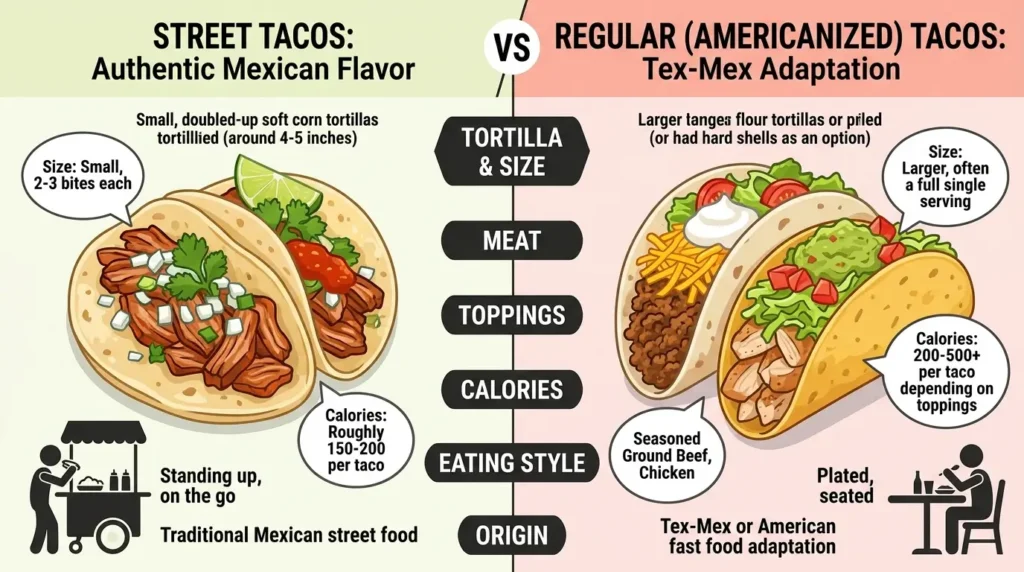
| Feature | Street Tacos | Regular (Americanized) Tacos |
|---|---|---|
| Tortilla | Small (4–5 inch) soft corn tortilla, usually doubled | Larger flour or corn tortilla, or hard shell |
| Size | Small, 2–3 bites each | Larger, often a full single serving |
| Meat | Slow-cooked, marinated, spit-roasted | Often seasoned ground beef or pre-cooked chicken |
| Toppings | Onion, cilantro, lime, salsa | Cheese, sour cream, lettuce, guacamole, tomato |
| Calories | Roughly 150–200 per taco | 200–500+ per taco depending on toppings |
| Eating style | Standing up, on the go | Plated, seated |
| Origin | Traditional Mexican street food | Tex-Mex or American fast food adaptation |
The size difference is especially important. Street tacos are intentionally small because they were designed for people on the move. The typical order at a Mexican taqueria is three or four tacos, each consumed in two or three bites. This portion structure lets you sample multiple meat varieties in one sitting — something impossible with a plate of two enormous Americanized tacos.
Popular Types of Street Taco Meats
The protein determines the character of a street taco, and Mexico’s regional diversity has produced dozens of distinct preparations. Here are the most celebrated:
Al Pastor
Al pastor is arguably the most iconic street taco meat in Mexico City, and its origin story is a fascinating piece of culinary history. Lebanese immigrants arrived in Mexico in the early 20th century, bringing with them the tradition of shawarma — meat cooked on a vertical rotating spit. Mexican cooks adapted this technique using pork shoulder marinated in achiote paste, dried chiles (guajillo, ancho), cumin, cinnamon, garlic, and vinegar. The result is the trompo, a tower of layered, marinated pork that slow-roasts on a spit.
The taquero shaves thin slices of the caramelized, slightly crispy outer meat directly onto a tortilla, often topping it with a sliver of fresh pineapple for sweet-acid contrast. The combination of smoky, spiced pork and tangy pineapple is one of the great flavor pairings in all of street food.
Carne Asada
Carne asada — grilled beef — is the king of street tacos in northern Mexico, particularly in Sonora and Baja California. The name literally means “grilled meat,” and it typically uses skirt steak, flank steak, or sirloin marinated in citrus (lime and orange juice), garlic, cumin, and dried chiles before being cooked over high heat. The goal is a deeply charred, smoky exterior with a juicy, tender interior.
After grilling, the meat is chopped into small pieces rather than sliced, making it easier to pile onto a small tortilla. The mesquite wood commonly used in northern Mexico and the American Southwest adds a signature smokiness that’s hard to replicate on a gas grill.
Carnitas
Carnitas means “little pieces of meat” in Spanish, and this preparation from the state of Michoacán is slow-cooked pork at its most indulgent. Pork shoulder (and often other cuts including skin) is simmered in its own fat or lard in large copper pots with water, salt, and aromatics until the meat becomes fall-apart tender. The heat is then cranked up at the end to create a slightly crispy exterior — the best bites of carnitas have that dual texture of creamy interior and caramelized crust.
Carnitas are rich and fatty by design, which is why they’re balanced with the brightness of lime juice and raw onion when served in taco form.
Barbacoa
Barbacoa is one of Mexico’s oldest cooking traditions, with roots in pre-Hispanic indigenous practices. Traditionally, meat (beef, lamb, or goat, depending on the region) was wrapped in agave or banana leaves and slow-cooked in an underground pit lined with hot stones and burning wood. The result is extraordinarily tender, deeply flavored meat that pulls apart into soft, juicy shreds.
Modern versions often use a slow cooker or oven, but the flavor profile remains: rich, slightly earthy beef or lamb seasoned with dried chiles, cumin, cloves, and lime. In central Mexico, barbacoa is a beloved Sunday morning tradition — families gather at their local taqueria on weekends specifically for barbacoa tacos, often served alongside consommé (the broth from the cooking process).
Chorizo
Mexican chorizo — not to be confused with its firmer Spanish counterpart — is a fresh, raw pork sausage heavily seasoned with dried red chiles and vinegar. It’s removed from its casing and crumbled onto a hot comal (griddle), where it renders and crisps in its own bright red fat. The result is intensely flavorful, slightly greasy in the best possible way, and pairs perfectly with a simple corn tortilla.
Birria
Originally a slow-cooked goat or lamb stew from Jalisco, birria has undergone a modern revival that has made it one of the most talked-about street taco styles globally. Contemporary tacos de birria are made by dipping corn tortillas in the crimson-red consommé from the stew, griddling them until crisp, filling them with the shredded meat, and serving them alongside a small cup of consommé for dipping. The resulting taco is simultaneously crispy, meaty, rich, and deeply savory — it’s the kind of dish that generates lines around the block.
Regional Street Taco Varieties Across Mexico
Mexico’s geographic and cultural diversity means that street tacos vary dramatically by region. What counts as a “classic” taco in Mexico City might be unrecognizable in Oaxaca or Sonora.
- Mexico City: Al pastor and tacos de canasta (basket tacos) dominate. Canasta tacos are pre-filled tortillas kept warm and steamed in cloth-lined baskets, sold from bicycle carts throughout the city.
- Sonora and Northern Mexico: Carne asada reigns. Flour tortillas are more common here, reflecting the wheat-growing traditions of the north.
- Michoacán: The birthplace of carnitas. The state capital Morelia is known for its carnitas markets where you can buy the meat by the kilo.
- Jalisco: Home of birria, where slow-cooked goat has been a weekend tradition for generations.
- Yucatán: Cochinita pibil — slow-roasted achiote-marinated pork, traditionally cooked in an underground pit — defines the region’s street taco scene. Served with pickled red onions and habanero salsa.
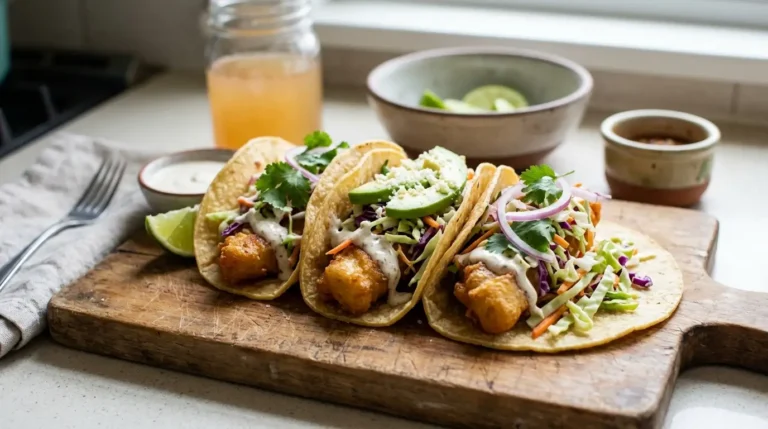
- Baja California: Fish and shrimp tacos are the regional specialty, typically battered and fried with cabbage, crema, and pico de gallo.
- Oaxaca: Tasajo (thinly sliced, salt-cured beef), chapulines (roasted grasshoppers), and tlayudas (large open-faced tortillas) define the local taco culture.
Traditional Toppings and Salsas
The condiments served alongside street tacos are not afterthoughts. A well-stocked taqueria will offer a full salsa bar with anywhere from two to eight different sauces, each with a distinct heat level and flavor profile.
Common street taco salsas:
- Salsa verde — Made from tomatillos, serranos or jalapeños, onion, garlic, and cilantro. Tangy, bright green, and moderately spicy.
- Salsa roja — A cooked red salsa using dried chiles (árbol, guajillo), tomatoes, and garlic. Can range from mild to intensely hot.
- Pico de gallo — Fresh chopped tomato, white onion, jalapeño, cilantro, and lime juice. More of a relish than a salsa, with bright, clean flavors.
- Salsa de aguacate — A thin, creamy avocado-based salsa, different from thick guacamole.
- Chile de árbol salsa — A fiery orange salsa made from toasted árbol chiles. Not for the heat-averse.
Other classic accompaniments:
- Lime wedges (always)
- Pickled jalapeños and carrots (escabeche)
- Radish slices
- Grilled green onions (cebollitas)
Are Street Tacos Healthy?
Street tacos are among the more nutritionally reasonable fast-food options available, particularly when compared to their Americanized counterparts. A typical street taco contains roughly 150 to 200 calories, compared to the 300–500 calories common in larger, topping-heavy versions.
Nutritional advantages of street tacos:
- Corn tortillas are naturally gluten-free and benefit from nixtamalization — an ancient process of treating corn with an alkaline solution that increases calcium, niacin, and amino acid availability.
- Lean meat options like carne asada and chicken (pollo) are high in protein and relatively low in saturated fat.
- Fresh toppings — raw onion, cilantro, radishes — add vitamins, fiber, and antioxidants without adding significant calories.
- Portion control is built in. The small size encourages mindful eating rather than unconsciously consuming a 600-calorie single item.
Higher-fat options like carnitas and chorizo are less lean but still reasonable in moderation. The real variable is quantity — three tacos is a satisfying meal; eight is not a health-conscious choice regardless of what’s in them.
One genuine consideration: corn tortillas typically use lard in some traditional preparations, which may be relevant for those following plant-based diets. It’s always worth asking at smaller, traditional taquerias.
How to Make Authentic Street Tacos at Home
Recreating street tacos at home is entirely achievable, and the principles are simple even if the technique takes practice.
The Non-Negotiables
- Use small corn tortillas. Look for 4- or 5-inch tortillas, not the large burrito-size ones. If you can find freshly made or handmade tortillas at a local Mexican market, use them.
- Double up the tortillas. Stack two together before adding your filling. This is standard taqueria practice.
- Warm your tortillas properly. Lay them directly on a gas burner flame for a few seconds per side, or heat them on a dry cast iron skillet until they show a little char. Never microwave them if you want authentic flavor.
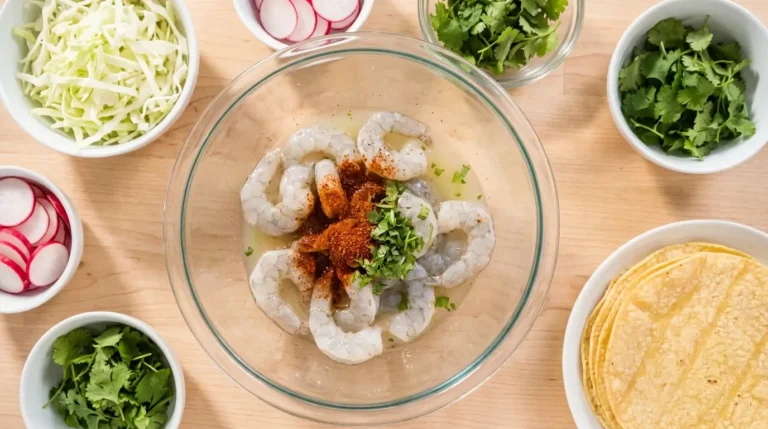
- Season your meat aggressively. Traditional marinades use dried chiles, citrus juice, garlic, cumin, and oregano. Don’t be timid.
- Keep toppings simple. Diced white onion, fresh cilantro, lime, and a salsa you made or bought from a good source. Resist the urge to add cheese.
Quick Carne Asada Recipe Outline
- Marinate skirt steak in lime juice, orange juice, garlic, cumin, chile powder, and salt for at least two hours (overnight is better).
- Grill over high heat for 3–4 minutes per side for medium.
- Rest, then chop into small pieces — don’t slice.
- Serve on doubled corn tortillas with diced white onion, cilantro, and salsa.
Street Tacos Around the World
What began as working-class street food in Mexico has spread to every corner of the world, though with varying degrees of authenticity.
In the United States, taco trucks and taquerias serving genuine street-style tacos have proliferated in cities with large Mexican-American communities — Los Angeles, Houston, Chicago, Phoenix, and San Antonio. The rise of the food truck movement in the 2010s brought these flavors to a broader American audience, and now “street taco” appears on menus from fast-casual chains to fine dining restaurants.
In Europe, Mexican food culture arrived later and often through an American filter, meaning many “street tacos” there diverge significantly from the original. Authentic versions do exist in cities like London, Barcelona, and Berlin, usually at restaurants run by Mexican expats or culinary purists.
The growing global appetite for authentic regional cuisines — part of a broader cultural shift toward genuine culinary tourism rather than cultural approximations — has pushed chefs and food enthusiasts everywhere to seek out traditional preparations rather than Americanized versions.
Frequently Asked Questions
Final Thoughts
Street tacos are deceptively simple food. Two small tortillas, a handful of well-seasoned meat, a sprinkle of onion and cilantro, a squeeze of lime — and somehow the result is one of the most satisfying bites in all of global cuisine. That’s not an accident. It’s the result of centuries of culinary refinement by Mexican taqueros who understood that quality ingredients, traditional technique, and restraint are far more powerful than complexity.
Understanding what street tacos are — and what they are not — helps you appreciate why they’ve captured the world’s attention while remaining deeply rooted in Mexican identity and heritage. Whether you’re ordering from a taco truck, planning a trip to Mexico City, or trying to master the carne asada marinade in your own kitchen, the street taco tradition rewards those who respect it.