Tacos de Trompo – Authentic Mexican Trompo Tacos Recipe, History & Cooking Guide
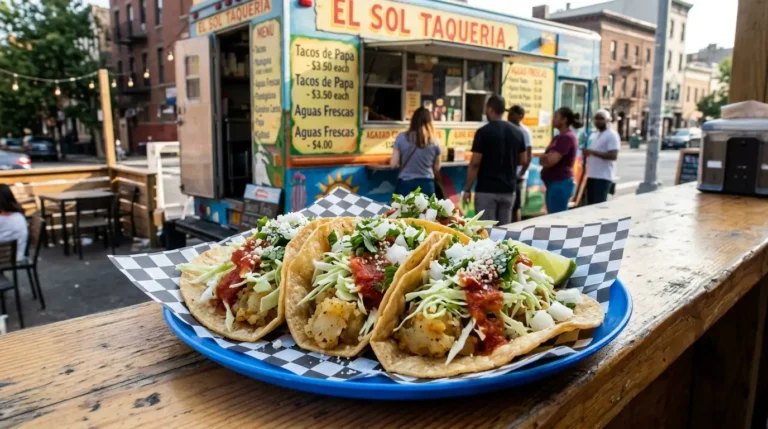
Tacos de Trompo are one of the most iconic street foods in northern Mexico, loved for their juicy marinated pork, smoky flavor, and perfectly crisp edges. Cooked on a vertical rotating spit known as a trompo, these tacos are a close relative of tacos al pastor but feature their own unique seasoning, cooking style, and regional traditions. Served on warm corn tortillas with chopped onions, fresh cilantro, spicy salsa, and sometimes grilled pineapple, they offer an unforgettable combination of flavors and textures.
Whether you’ve enjoyed them from a bustling taquería in Monterrey or you’re making them at home for the first time, this guide covers everything you need to know about tacos de trompo—from their fascinating history and preparation methods to authentic recipes, cooking tips, and serving suggestions.
What Are Tacos de Trompo?
Tacos de Trompo are traditional Mexican tacos made with thinly sliced pork that has been marinated in a flavorful blend of dried chilies, spices, garlic, vinegar, and citrus juice. The marinated meat is stacked layer by layer onto a vertical spit called a trompo, slowly roasted while rotating in front of an open flame until the outer layer becomes crispy and caramelized.
As customers place their orders, the taquero shaves thin slices of the cooked pork directly from the trompo onto warm corn tortillas. The tacos are typically garnished with diced onions, chopped cilantro, fresh salsa, and a squeeze of lime. In some regions, grilled pineapple is added to enhance the sweet and smoky flavor of the meat.
Unlike traditional grilled pork tacos, the vertical cooking process allows the meat to remain juicy on the inside while developing a delicious char on the outside, making tacos de trompo one of the most flavorful Mexican street foods.
The History of Tacos de Trompo
The story of tacos de trompo begins with Lebanese immigrants who arrived in Mexico during the early twentieth century. They introduced the cooking technique used to prepare shawarma, where seasoned meat is stacked on a vertical rotisserie and slowly roasted.
Mexican cooks quickly adapted this technique by replacing lamb with pork, a more common and affordable meat in Mexico. They also created a completely new marinade using dried Mexican chilies such as guajillo, ancho, and chipotle, along with vinegar, spices, garlic, oregano, cumin, and pineapple.
Over time, different regions of Mexico developed their own versions of spit-roasted pork tacos. Mexico City became famous for tacos al pastor, while Monterrey and northern Mexico developed tacos de trompo. Although both styles share similar cooking methods, their seasoning, preparation, and flavor profiles are distinctly different.
Today, tacos de trompo remain one of the most popular late-night street foods throughout northern Mexico and have become increasingly popular in the United States.
The Origins of the Trompo
The word “trompo” translates to “spinning top” in Spanish, describing the shape of the towering stack of marinated pork as it slowly rotates on the spit.
A traditional trompo can weigh anywhere from 50 to over 300 pounds, depending on the restaurant’s daily demand. Experienced taqueros spend nearly an hour carefully stacking dozens of thin pork slices to create a perfectly balanced cone-shaped tower that cooks evenly throughout the day.
Building a proper trompo requires years of experience because each layer must be carefully positioned to prevent the meat from collapsing while rotating.
How a Trompo Is Made
Creating an authentic trompo is both a science and an art. Every step influences the final texture and flavor of the tacos.
Marinating the Pork
The pork is first sliced into thin pieces before being coated in a rich marinade made with dried chilies, achiote paste, garlic, vinegar, citrus juice, oregano, cumin, paprika, cloves, black pepper, and pineapple.
The meat is usually marinated for several hours or overnight so the flavors fully penetrate every slice.
Building the Trompo
Once marinated, the pork is stacked piece by piece onto a long vertical skewer.
Smaller cuts are placed near the base, while larger slices are layered higher to create a balanced cone shape. Every few layers, excess meat is trimmed to maintain the trompo’s smooth appearance.
Shaping the Meat
As the trompo grows taller, the taquero continuously trims and reshapes it using a sharp knife. This ensures even cooking while preventing uneven hot spots.
A perfectly shaped trompo not only cooks better but also produces beautiful, thin slices of crispy pork.
Cooking on the Vertical Spit
After assembly, the trompo is positioned in front of a vertical gas or charcoal flame.
It slowly rotates for several hours, allowing the outside to caramelize while the interior remains juicy.
As each outer layer finishes cooking, it is shaved away, exposing fresh meat underneath to continue roasting.
Slicing the Meat
Using an extremely sharp knife, the taquero slices thin ribbons of crispy pork directly onto waiting tortillas.
Experienced taqueros often slice grilled pineapple at the same time, catching it perfectly inside the taco—a skill that has become part of the entertainment at many Mexican taquerías.
Traditional Tacos de Trompo Marinade
The secret behind authentic tacos de trompo lies in the marinade.
A classic marinade usually includes:
- Guajillo chilies
- Ancho chilies
- Chipotle peppers
- Achiote paste
- Garlic
- White vinegar
- Orange juice
- Pineapple
- Ground cumin
- Mexican oregano
- Paprika
- Cloves
- Black pepper
- Salt
This combination creates the deep red color, smoky aroma, slight sweetness, and tender texture that make tacos de trompo so distinctive.
How to Make Tacos de Trompo at Home
Although most home cooks don’t own a vertical spit, you can still recreate authentic flavors using a grill, cast-iron skillet, or oven.
Prepare the Marinade
Blend softened dried chilies with garlic, pineapple, orange juice, vinegar, spices, and achiote until smooth.
Marinate the Pork
Slice pork shoulder thinly and coat every piece with the marinade.
Refrigerate for at least four hours, though overnight delivers the best flavor.
Grill the Pineapple
Cook fresh pineapple slices over medium-high heat until lightly caramelized.
The natural sugars enhance both sweetness and smokiness.
Cook the Meat
Heat a cast-iron skillet or grill until very hot.
Cook the marinated pork in batches until crispy around the edges while remaining juicy inside.
Avoid overcrowding the pan to achieve proper caramelization.
Assemble the Tacos
Warm fresh corn tortillas before adding the cooked pork.
Top with diced onions, chopped cilantro, grilled pineapple, salsa roja or salsa verde, and a squeeze of fresh lime.
Serve immediately while everything is hot and fresh.
Four Styles of Trompo Tacos
Different regions of Mexico have developed unique versions of spit-roasted tacos.
Tacos Árabes
Originating in Puebla, tacos árabes were inspired directly by Lebanese shawarma.
Instead of corn tortillas, they’re traditionally served on soft pita-style bread with seasoned pork.
Tacos al Pastor
The most famous style in Mexico City, tacos al pastor use pork marinated with achiote, chilies, vinegar, and pineapple before being roasted on a vertical spit.
They’re typically served with pineapple, onions, cilantro, and salsa.
Tacos de Adobada
Popular in Baja California and Tijuana, tacos de adobada feature heavily marinated pork cooked on a spit or grill.
Their marinade contains bold chili flavors and plenty of spices.
Tacos de Trompo
Monterrey’s signature tacos emphasize smoked paprika and simple seasonings rather than sweeter marinades.
They’re often crisped on a griddle after being sliced from the trompo, creating an even crispier texture.
Tacos de Trompo vs Tacos al Pastor
Although these tacos appear similar, several differences set them apart.
Tacos al pastor generally include sweeter marinades with achiote and pineapple, giving the meat a slightly sweet and tangy flavor.
Tacos de trompo rely more heavily on paprika, dried chilies, and smoky spices while usually containing less pineapple.
In northern Mexico, sliced trompo meat is often crisped on a flat-top grill before serving, producing an extra layer of texture.
Both styles are delicious, but each reflects the culinary traditions of its region.
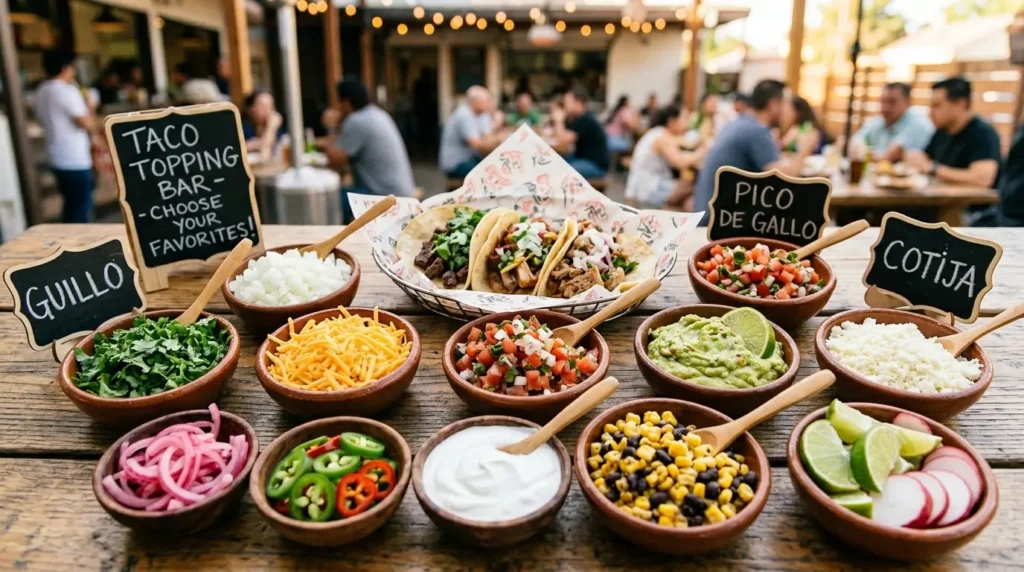
Best Toppings for Tacos de Trompo
Classic toppings include:
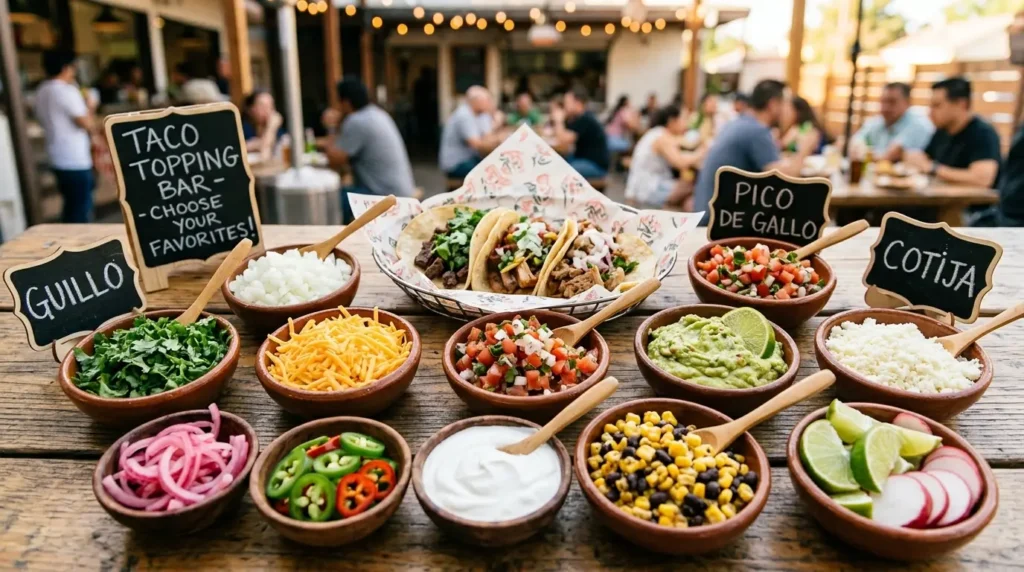
- Diced white onions
- Fresh cilantro
- Salsa roja
- Salsa verde
- Grilled pineapple
- Lime wedges
- Pickled jalapeños
- Radishes
- Avocado salsa
Fresh toppings balance the richness of the pork while adding brightness and crunch.
Tips for Making Authentic Trompo Tacos
- Marinate the pork overnight whenever possible.
- Slice the pork very thin for quicker cooking.
- Cook over high heat to develop caramelization.
- Warm tortillas just before serving.
- Grill fresh pineapple instead of using canned fruit.
- Use homemade salsa for the most authentic flavor.
- Serve immediately while the pork remains crispy.
What to Serve with Tacos de Trompo
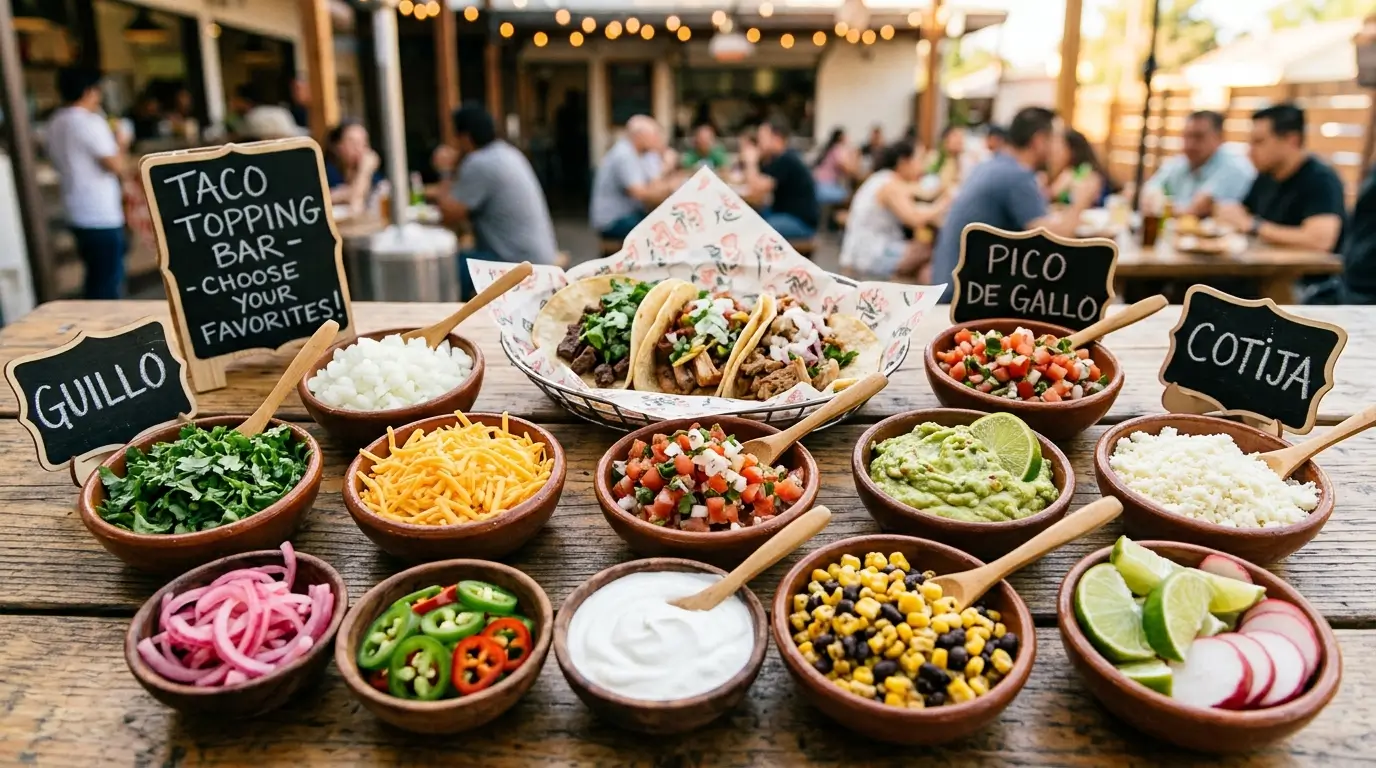
Complete your meal with classic Mexican side dishes such as Mexican rice, charro beans, refried beans, grilled corn, guacamole, tortilla chips, fresh salsa, pickled vegetables, or elote. Refreshing drinks like horchata, agua fresca, tamarind juice, or Mexican cola pair beautifully with the smoky pork.
How to Store Leftover Trompo Meat
Store leftover cooked pork in an airtight container inside the refrigerator for up to four days.
Reheat it in a hot skillet rather than the microwave to restore its crispy edges.
For longer storage, freeze portions for up to three months.
Frequently Asked Questions
What does “Trompo” mean?
“Trompo” means “spinning top” in Spanish and refers to the vertical rotating spit used to cook the marinated pork.
Why is pineapple used on a trompo?
Pineapple adds sweetness, helps tenderize the pork, and balances the smoky spices in the marinade.
Can I make tacos de trompo without a vertical spit?
Yes. A grill, cast-iron skillet, broiler, or oven can recreate many of the same flavors at home.
What cut of pork is best for tacos de trompo?
Pork shoulder is the preferred cut because its fat keeps the meat juicy during cooking.
What is the difference between tacos de trompo and tacos al pastor?
Both are cooked on a vertical spit, but tacos al pastor usually feature sweeter achiote-based marinades, while tacos de trompo emphasize smoky paprika flavors and are often crisped on a griddle before serving.
Final Thoughts
Tacos de Trompo are a true celebration of Mexican street food, combining centuries of culinary influence with regional traditions and expert craftsmanship. From the carefully layered vertical spit to the bold chili marinade and perfectly crisp slices of pork, every taco reflects the skill of the taquero and the rich heritage behind this iconic dish. Whether you experience them at an authentic taquería or recreate them in your own kitchen, tacos de trompo deliver unforgettable flavor in every bite.